Creating a single guilloché pattern, a decorative technique fundamental to luxury horology, can demand several hours or even days of meticulous hand-craftsmanship. This arduous process, requiring profound skill and unwavering patience, imbues each surface with a singular texture. Such embedded human effort inherently elevates both the aesthetic and intrinsic value of these pieces for discerning collectors.
The creation of such patterns remains incredibly time-consuming and demands immense skill, yet contemporary designers are increasingly rediscovering and valuing this traditional technique. This inherent tension reveals a profound shift in market dynamics: the very inefficiency of artisanal production now defines its luxury characteristic.
As consumers increasingly seek authenticity and unique craftsmanship in an automated world, the demand for and appreciation of labor-intensive artisanal techniques like guilloché will likely continue to grow, cementing its status as an apex of luxury.
Guilloché, a precise decorative engraving or engine-turning technique, involves cutting intricate, repetitive designs into a material. These patterns, often seen on enamel or metal surfaces, exhibit a distinct depth and captivating play of light. The technique demands specialized mechanical lathes, manipulated by a skilled artisan, ensuring a consistency that belies its handcrafted origin. This meticulous process secures guilloché's position as an enduring art form, integral to the identity of luxury timepieces and other objets d'art.
Creating a single guilloché pattern can take several hours or even days, according to Watchswiss, demonstrating that for true luxury, time and human skill now supersede speed or mass production. This compels brands to embrace inefficiency as a definitive mark of exclusivity. Breguet maintains the industry's largest guilloché workshop, according to Watchswiss. Such investment by a leading luxury brand confirms a strategic commitment to non-scalable, artisanal processes, safeguarding brand identity against market commoditization. The extraordinary time and dedicated resources thus affirm guilloché's status as a pinnacle of artisanal excellence, transcending mere surface decoration.
Guilloché's Modern Renaissance
Contemporary designers and watchmakers are rediscovering the guilloché process, according to Santafesymposium. A resurgence in the guilloché process signals a significant shift in consumer preference towards products visibly imbued with human effort and a tangible link to traditional craftsmanship. This trend directly challenges the dominance of purely minimalist or technologically advanced aesthetics. The renewed interest stems from a growing appreciation for unique, handcrafted details and a profound desire to anchor modern luxury in time-honored artistic traditions. Consequently, the visible evidence of an artisan's hand has become an indispensable element of perceived value.
Why Intricate Details Still Command High Value
Genuine guilloché involves engine-turning machines manipulated by skilled artisans, creating a distinct depth and play of light conspicuously absent in stamped or CNC-machined alternatives, as detailed by Monochrome-watches. This fundamental difference solidifies guilloché's enduring market value. In an increasingly automated world, the human touch and visible effort embodied by guilloché offer a tangible link to authenticity and exclusivity, thereby justifying its premium. The technique's inherent difficulty and the mastery it demands guarantee its continued relevance as a luxury differentiator.
Common Questions About Guilloché
What defines a true guilloché pattern on a watch dial?
A true guilloché pattern is characterized by its precise, repetitive geometric designs, meticulously created by an artisan using a rose engine or straight-line engine lathe. Common traditional patterns include Clous de Paris (hobnail), grain d'orge (barleycorn), or sunray motifs. These patterns exhibit a unique optical depth and captivating play of light, unequivocally distinguishing them from stamped or laser-engraved imitations.
How do artisans create guilloché engravings?
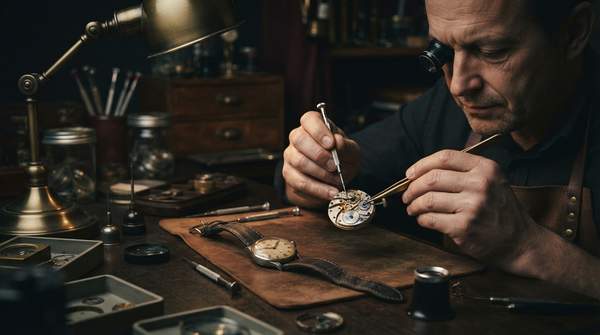
Artisans execute guilloché engravings by manually operating specialized engine-turning machines, such as a rose engine for circular patterns or a straight-line engine for linear designs. The artisan guides a cutting tool across the material, typically a watch dial or case, while precisely controlling the machine's intricate movements. This demanding process requires exceptional dexterity and years of rigorous training to achieve flawless, intricate results.
Which watch brands are renowned for their guilloché work?
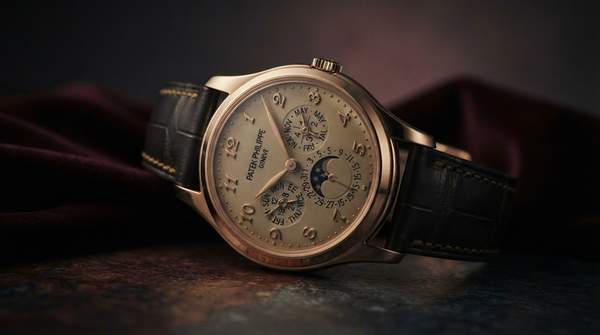
Beyond Breguet, which maintains the industry's largest workshop dedicated to this technique, other luxury watch brands are celebrated for their guilloché. Vacheron Constantin and Patek Philippe, for instance, often feature exquisite guilloché dials in their high-complication timepieces. These brands steadfastly uphold the tradition, showcasing patterns like basketweave or wave designs, thereby cementing the technique's indispensable place in haute horology.
The Future of Hand-Engraved Luxury
As the allure of mass production wanes in the luxury sector, the deliberate embrace of time-intensive, human-centric processes like guilloché appears poised for sustained prominence. If brands continue to strategically invest in the preservation and advancement of such artisanal skill, as evidenced by Breguet's enduring commitment, then the visible mark of the artisan's hand will likely command an even greater premium, redefining luxury not by scarcity of material, but by the irreplaceability of human mastery.