
Horology
8 articles
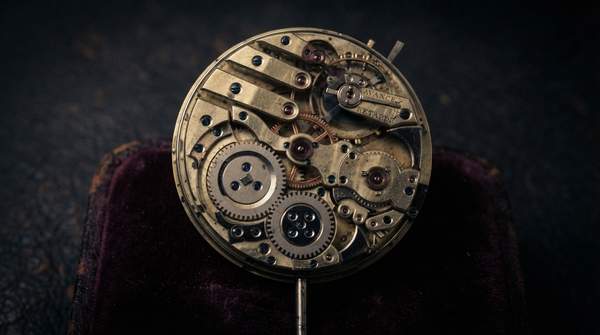
How Minute Repeater Chimes Are Engineered: Hammers, Gongs, Regulators and the Case
Minute repeaters produce their complex chimes through three distinct engineered stages: sound generation by hammers striking gongs, pacing controlled by a regulator, and amplification via the watch case. Mastering these elements is crucial for achieving acoustic excellence in these intricate timepieces.
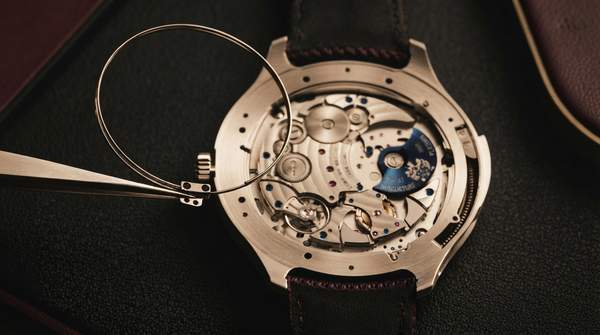
From Darkness to Artistry: How the Minute Repeater Evolved from a 17th-Century Necessity to Horology's Pinnacle
The minute repeater evolved from a 17th-century necessity for telling time in the dark to a pinnacle of horological artistry. Key innovations like Barlow's rack-and-snail, Breguet's gongs, and the first wristwatch implementation transformed it into a celebrated complication.
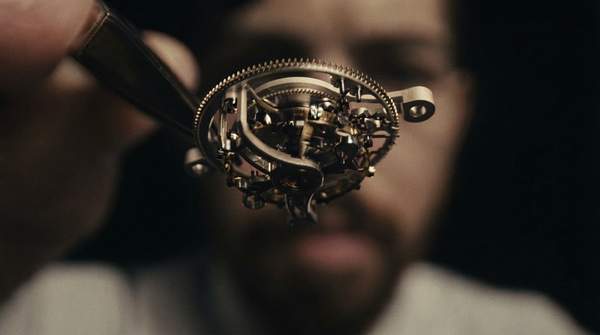
The Tourbillon Explained: How a Rotating Cage Conquered Gravity and Became Watchmaking's Signature Feat
The tourbillon is a mechanical complication invented to counteract gravitational errors by rotating the escapement and balance wheel. Today, it survives not for accuracy but as a visible demonstration of watchmaking mastery, existing in traditional, flying, and multi-axis forms.
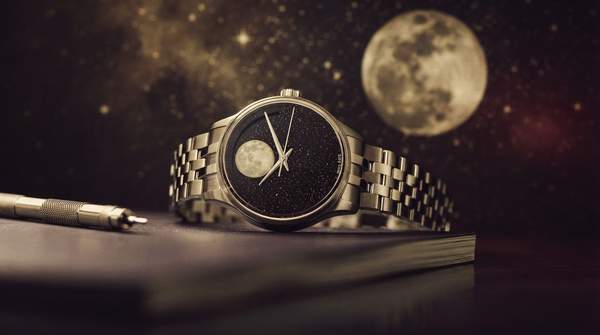
From 59 Teeth to Millennia: How Moon Phase Accuracy Separates Watches
Moon phase complications in watches vary dramatically in accuracy, determined primarily by the number of teeth on their driving wheels. From standard 59-tooth mechanisms needing correction every few years to ultra-precise perpetual designs lasting millennia, understanding these tiers is key to appreciating their complexity and value.

The Independent Watchmaker Shift: Redefining Luxury Horology in 2026
Alexandre Martin, a 28-year-old Belgian watchmaker, launched his debut timepiece, the '1965', priced at CHF 65,000, according to Monochrome Watches .

What is Guilloché engraving and why does it command high value?
Creating a single guilloché pattern, a decorative technique fundamental to luxury horology, can demand several hours or even days of meticulous hand-craftsmanship.

How Enameling Techniques Work in High Jewelry and Watches
Crafting an immaculate enamel dial requires firing powdered glass at temperatures between 1400 and 1,650 degrees Fahrenheit, a process so delicate that a single misstep can destroy weeks of work.

The Unseen Art: How Micro-Sculpture Redefines Watchmaking
Micro-sculpture in watchmaking represents a radical evolution, integrating three-dimensional artworks within timepieces, exemplified by Greubel Forsey and Willard Wigan. This discipline requires complex engineering for magnification and protection, setting it apart from traditional micro-painting.