The Oversized Tote Bag Quiet Luxury Movement Is Taking Over 2026 Trends

A plain leather tote, devoid of any visible logo, recently sold out within hours at The Row, despite its $3,000 price tag.

EB
Elin Björklund

June 6, 2026 · 4 min read

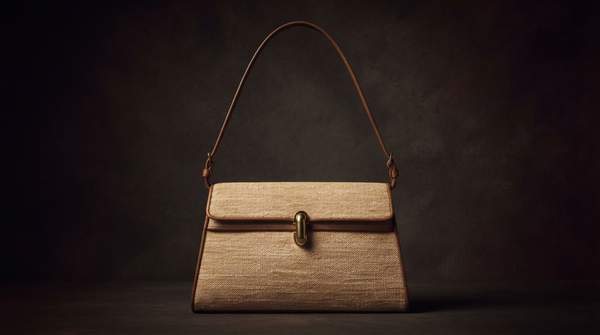
An elegant, oversized, unbranded leather tote bag symbolizing the quiet luxury trend in fashion, showcased with sophisticated lighting.

A plain leather tote, devoid of any visible logo, recently sold out within hours at The Row, despite its $3,000 price tag. This immediate demand for an unbranded item shows a notable shift in consumer valuation. For some luxury buyers, the absence of a prominent label now signifies prestige.

Luxury consumers increasingly invest in high-priced bags for practicality and discretion. Yet, the market remains saturated with logo-heavy alternatives. This tension suggests traditional luxury brands may misjudge their affluent clientele, or target a less discerning consumer base with overtly branded products.

Luxury brands pivoting to understated design and emphasizing craftsmanship are poised for significant growth. Those clinging to overt logos risk alienating affluent buyers. This trend shapes the "oversized tote bag quiet luxury movement 2026 trends" in consumer choices.

The Silent Shift: Why Logos Lost Their Luster

Seventy percent of high-net-worth individuals now prefer unbranded or subtly branded luxury items, according to the Affluent Consumer Report. This preference shows a significant cultural pivot. Social media trends also show a shift: 'what's in my bag' videos featuring minimalist, functional items replace older 'haul videos' with visible logos, as observed in a TikTok Trend Analysis.

Younger affluent consumers, including Gen Z and Millennials, drive the demand for 'stealth wealth' aesthetics, according to a Youth Luxury Study. This demographic values authenticity over performative consumption. Additionally, a Luxury Perception Study found that 45% of luxury consumers now consider overt branding 'tacky' or 'outdated'. This collective sentiment rejects visible status markers for understated elegance.

This evolving consumer psychology challenges the marketing strategies of many legacy luxury houses. Their core value, tied to visible logos, now risks devaluing their most recognizable assets among discerning clients. Brands clinging to overt branding risk alienating these affluent consumers, who value discretion and intrinsic quality.

By the Numbers: The Market's Quiet Revolution

  • 300% — Searches for 'quiet luxury bags' increased by this margin in the last year, according to Fashion Analytics Group.
  • 15% — The global market for premium tote bags, defined as those over $500, grew by this percentage in 2023, outpacing the overall luxury handbag market, according to Luxury Market Insights.
  • $2,000-$5,000 — This range represents the average price point for an 'oversized quiet luxury tote', based on Luxury Retail Data.
  • Exceeds original retail price — Resale value for unbranded luxury totes from specific brands, such as the Hermès Birkin or The Row Margaux, often surpasses their initial purchase price, according to the Luxury Resale Index.

These robust figures confirm quiet luxury is more than a fleeting trend; it is a significant, financially impactful market segment. The strong growth in premium tote bags and high resale values for unbranded items show a durable shift in consumer investment. This data suggests a critical strategic misstep by many established brands still saturating the market with logo-heavy bags, failing to adapt to this fundamental shift in purchasing drivers.

Who Profits, Who Pivots: The Industry's New Hierarchy

Major luxury houses like Bottega Veneta and The Row report significant revenue increases from their minimalist bag collections, according to Brand Financial Reports. This growth shows a clear advantage for brands aligned with understated aesthetics. Conversely, traditional luxury brands known for prominent logos, such as Louis Vuitton and Gucci, now introduce more minimalist lines to adapt to evolving consumer preferences, as noted by an Industry Observer.

The inherent quality of these items often comes with higher production costs. Manufacturing a high-quality leather tote can be 5-10 times more expensive than a mass-produced synthetic bag, according to Supply Chain Analysis. This cost difference highlights the investment in materials and craftsmanship quiet luxury consumers prioritize. Smaller, artisanal brands specializing in minimalist leather goods also see their order books fill up months in advance, as detailed in an Artisan Market Report, showing a broad market shift towards genuine quality.

Brands prioritizing craftsmanship, subtle design, and ethical production are gaining market share. This trend forces logo-centric brands to re-evaluate strategies, challenging decades of brand identity built on visible recognition.

Beyond the Hype: What's Next for Understated Elegance

The emphasis on intrinsic value over brand display appears set to continue shaping luxury consumption.

  • Sixty percent of consumers cite 'versatility' and 'durability' as key factors when purchasing a high-end tote, according to a Consumer Preference Survey.
  • Celebrity endorsements have shifted from overt brand placements to subtle, everyday use of unbranded luxury items, as noted by Celebrity Style Watch.
  • The 'office siren' aesthetic, which favors sophisticated, understated accessories, is gaining traction on platforms like Pinterest Trends.

These indicators show a sustained demand for quality, versatility, and personal style over visible brand recognition. Experts predict this focus on lasting value and discreet elegance will continue to influence luxury purchasing decisions. The trend points towards a more considered approach to luxury, where an item's utility and timelessness outweigh immediate brand recognition.

By Q3 2026, brands like The Row, which champion subtle design and exceptional craftsmanship, are likely to continue seeing strong demand for their understated luxury offerings. This trajectory will challenge legacy brands to either fully embrace the shift away from overt branding or risk further alienation from a growing segment of affluent consumers.