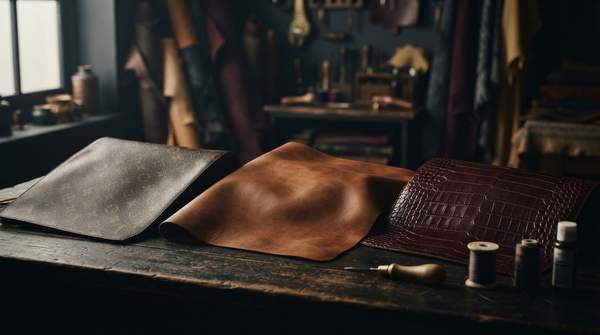
Choosing a luxury handbag material is less a question of which is "best" than of which trade-offs you can live with. Full-grain leather delivers classic, formal elegance and can last for decades, but sensitive varieties such as vachetta stain easily and demand real upkeep. Coated canvas—Louis Vuitton's Monogram surface being the canonical example—is durable, water-resistant, and wipes clean with a damp cloth, yet lacks the tactile prestige of hide. Exotic leathers such as alligator, python, and stingray offer rarity and distinctive texture for statement pieces, with durability that varies by species. This guide compares all three across durability, maintenance, aesthetics, and lifestyle fit.
Understanding Luxury Handbag Materials: A Comparative Guide
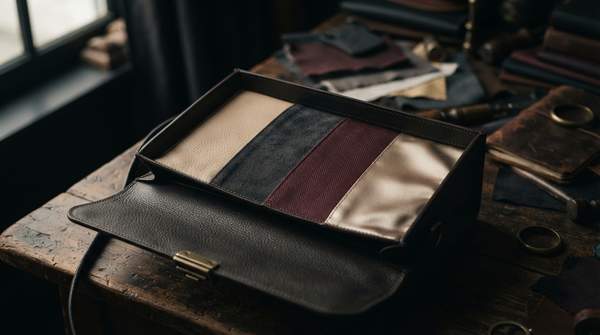
The three material families sit at different points on the same spectrum. Full-grain leather is the topmost layer of the hide, retaining the natural grain; among leather varieties, LABOGA's care guide rates full-grain's durability as "excellent" with a firm, rugged feel and medium maintenance, while softer types such as lambskin demand more careful handling. Coated canvas, by contrast, is fabric given a protective coating: Evans, an Australian accessories care retailer, notes that Louis Vuitton's PVC-coated canvas is "a sturdy and water resistant material" that contrasts with the "highly sensitive" vachetta leather trim often paired with it.
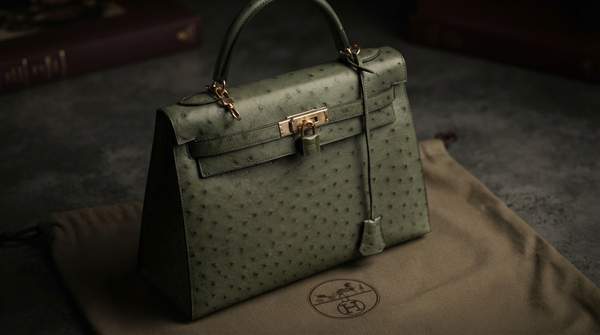
Exotic leathers occupy a separate tier defined by rarity and craftsmanship rather than mere performance. Writing for Brandon Blackwood New York, Daquon Simpson describes materials like crocodile, alligator, ostrich, python, and lizard as representing "the highest level of craftsmanship in handbag design," prized for rarity, distinctive textures, and exceptional durability. Stingray leather, with its pebble-like surface and signature central "pearl" marking, adds yet another textural dimension. Each family rewards a different owner: the daily commuter, the formal dresser, the collector.
Full-Grain Leather: Classic Elegance and Enduring Quality
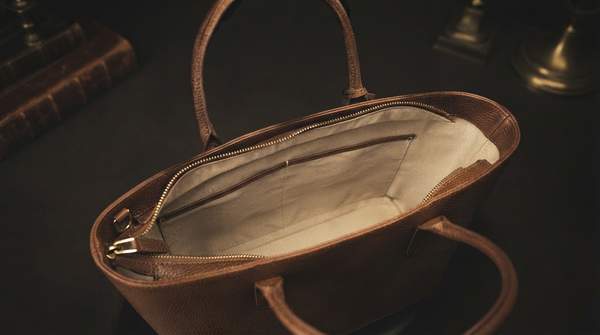
Full-grain leather's core appeal is longevity paired with a living surface. shortyLOVE's material guide, written by Sloane Grossberg, states plainly that full-grain leather "can last for decades with proper care," placing it among the most durable handbag materials available. LABOGA agrees on durability but adds a practical caveat: the material keeps its firm, rugged character only if maintained, and periodic waterproofing sprays help fend off moisture. The maintenance level for full-grain is rated medium—real, but not punishing.
The complications concentrate in untreated vachetta, the pale cowhide used on many luxury designs. Because vachetta has not been dyed or preservation-treated, Evans explains, it "will age naturally and develop a patina over time"—the honeyed darkening that many collectors consider desirable—while remaining "susceptible to water stains and discolouration." The Vintage Gallery's Louis Vuitton care guide adds a warning drawn from repair experience: many leather conditioners darken vachetta unevenly, so any conditioner should be tested on a hidden spot or applied by a professional. Stress points on handles and strap tabs are where cracks first appear, and overfilling the bag accelerates that damage.
The result is a material whose aging is a feature, not a flaw—provided the owner accepts that watermarks, uneven darkening, and a committed conditioning routine are part of the bargain. For buyers who want a bag that looks unmistakably formal from day one and grows more personal with time, that bargain is worth striking.
Coated Canvas: Resilience for Everyday Luxury
Coated canvas inverts nearly every full-grain trade-off. The Vintage Gallery describes Louis Vuitton's canvas as "a coated cotton canvas, not leather" that is "durable, water-resistant and easy to care for": a soft, slightly damp cloth handles routine cleaning, and a very mild soap solution manages heavier dirt before a wipe with clean water and drying. Evans characterizes PVC-coated canvas as "relatively low maintenance" compared with the sensitive vachetta it typically accompanies.
The aesthetic trade-off is real, however. Daily Front Row's Tom White observes that canvas "does not carry the formal appearance that materials like leather do," even though luxury canvas bags come in attractive prints and colours and cost considerably less than comparable leather. Skolyx's leather and coated-canvas care guide identifies the structural limit of any coated surface: materials with a hard outer finish "can become brittle and crack" with age, so keeping the surface clean and nourished to retain softness matters. Skolyx frames it memorably—"it's like your skin, which eventually also become dry and crack if you don't care for it."
In practice, coated canvas is the pragmatist's luxury: a surface that shrugs off rain, spills, and daily abrasion while looking polished, at the cost of the breathability, natural feel, and formal cachet of hide. Owners who genuinely use their bags every day—commuting, traveling, running errands—get the best value from this category.
Exotic Leathers: Unique Textures and Statement Appeal
Exotic skins are a family of materials rather than a single one, and their distinctions matter. In Brandon Blackwood's materials guide, python is described as a specific species prized for its size and distinctive pattern, making it one of the most commonly used snake leathers in luxury accessories. Lizard leather features fine, tightly packed scales creating a refined, uniform texture, but its small hide size demands extremely precise cutting.
Stingray is the durability outlier. Simpson describes it as exceptionally durable thanks to its dense structure, though that same density makes it "more difficult to cut and shape" for craftsmen. Crocodile and alligator are the traditional prestige skins of the category, coveted for rarity and exceptional durability. Across the family, the pattern is consistent: extreme durability and unmistakable texture, offset by specialized care requirements to preserve scales and surfaces, and prices reflecting rarity and craftsmanship.
What exotic leathers do not offer is anonymity. A python flap or alligator tote announces itself; the scale pattern is the design. That makes these materials best suited to owners building a collection or marking an occasion, rather than to someone seeking a single do-everything daily bag.
Luxury Handbag Material Comparison: Durability, Maintenance, and Aesthetics
The table below compares the three material categories across the criteria that actually drive the purchase decision. Reading across each row shows the trade-off: no material wins on every dimension, and the final column states the lifestyle each serves best.
| Material | Durability (Wear & Water) | Maintenance | Aesthetic & Aging | Best For |
|---|---|---|---|---|
| Full-grain leather | Excellent; decades-lasting with care. Water resistance varies by type—untreated vachetta is susceptible to water stains | Medium; regular cleaning, conditioning, and careful storage. Conditioners can darken vachetta unevenly—test first | Luxurious look and feel; develops a patina over time, though vachetta can show water stains and uneven darkening | Classic daily luxury for owners who enjoy the aging process; formal occasions |
| Coated canvas (PVC-coated cotton) | Sturdy and water-resistant; highly durable for everyday use | Low; wipe clean with a soft, slightly damp cloth; mild soap for heavier dirt | Prints and colours hold their look, but canvas lacks leather's formal appearance; hard surface can become brittle and crack with age | Daily commuting, travel, and heavy everyday use where resilience matters |
| Alligator / crocodile | Exceptional durability; the traditional prestige exotic skins | Specialized care to maintain scale texture and finish | Rarity and distinctive raised scale texture; highest-tier craftsmanship statement | Collectible statement pieces and special occasions |
| Python | Durable; prized for size and distinctive pattern among snake leathers | Specialized care for scales | Bold, recognizable scale pattern used prominently in design | Statement pieces with maximum visual texture |
| Stingray | Exceptionally durable due to dense structure | Specialized care; difficult to cut and shape (relevant for repairs) | Pebble-like surface with signature central "pearl" marking | Collectible, textural statement pieces |
Read vertically, the columns tell the decision story: coated canvas wins the durability-per-unit-of-effort column outright; full-grain leather wins the aging column, the only material whose wear arguably improves it; and the exotic rows win on uniqueness, which no amount of care can add to a plainer material after purchase.
Making Your Choice: Aligning Material with Lifestyle
Choose the luxury handbag material that best aligns with your daily activities, desired aesthetic, and willingness to perform maintenance. The evidence supports three clean profiles. If the bag will be carried daily—to work, through weather, onto planes—coated canvas is the rational pick: water-resistant, wipeable, and durable enough for years of heavy use, with the accepted trade-off of lower formal prestige and eventual brittleness at the coating. shortyLOVE's guidance to "start with how you'll use it" is the correct first step.
If the bag is for special occasions and formal settings, full-grain leather earns its upkeep: it carries the formal appearance canvas lacks, lasts decades with care, and its patina becomes a personal record of use—provided the owner accepts conditioner-testing, stress-point awareness, and water caution, especially with vachetta. If the goal is a collectible statement piece, alligator, python, or stingray deliver rarity and texture no common material matches, at the cost of specialized care and a purchase justified by rarity rather than practicality.
Before buying, the reader's confidence in selecting a handbag material that matches their lifestyle needs, reflected by their ability to articulate the trade-offs, is the measurable test: you should be able to state, in one sentence, what your chosen material's main weakness is and why you accept it. If you cannot name the weakness—vachetta's water stains, canvas's cracking, an exotic's care demands—you have not chosen a material yet, only a picture of one.
Sources
- What Are the Most Durable Materials for Bags? Pros, Cons, and Care Tip — LABOGA
- How to Care for and Clean Louis Vuitton Bags — Evans
- Exotic Leather Handbags Guide — Brandon Blackwood New York
- How to Select the Most Durable Handbag Material for Your Lifestyle — shortyLOVE
- Louis Vuitton Vachetta Patina & Canvas Care Guide — The Vintage Gallery
- The Best Materials for Luxury Handbags — Daily Front Row
- SKOLYX