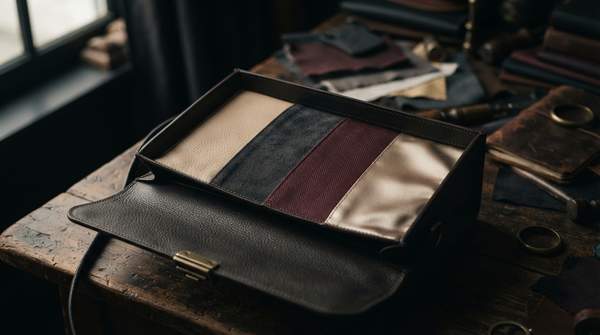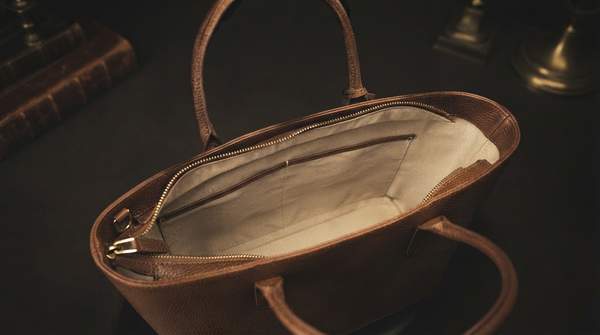
The lining is the most reliable indicator of a handbag's construction standard, and the material it is made from—leather, suede, microfiber, or woven textile—determines how the bag will wear, how it cleans, and how it functions long before the exterior shows any sign of age. A comparative framework across four common lining families shows that no single material wins on every dimension: smooth full-grain leather offers the most durable, shape-holding interior but demands conditioning and adds weight; microfiber suede delivers a velvety feel with easier care; and cotton, canvas, and jacquard-woven synthetics trade a lighter, washable interior for a less rigid structure.
Beyond the Exterior: Why Your Handbag Lining Matters
Most shoppers never look inside a bag before buying it, and brands know this—pricing their interiors accordingly, as the leather goods house Menière Paris observes bluntly. The interior is where shortcuts are taken, where cheaper materials are hidden, and where the bag will begin to fail long before the exterior shows wear. A thoughtful interior design improves organization, protects belongings, and contributes to the overall durability of the piece. The interior structure, including lining materials, internal compartments, and reinforcement layers, provides structural support, protects the outer material, and helps the bag maintain its shape.
Understanding Key Luxury Handbag Lining Materials
Luxury interiors draw on four broad material families. Smooth full-grain leather and genuine suede anchor the traditional high end, chosen for their tactile richness and longevity. Microfiber—often marketed as micro suede leather—mimics the nap of genuine suede while improving on its durability and stain behavior. Finally, woven textiles span premium cotton and canvas through to high-end synthetics, including jacquard-woven polyester, in which a brand pattern is woven directly into the fabric structure rather than printed onto its surface. Each family carries distinct consequences for weight, cleaning, and structural support.
Leather and Suede: The Epitome of Luxury and Durability
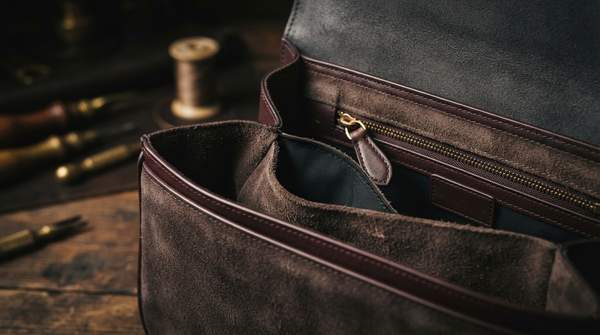
In an exceptional bag, the lining is leather—specifically suede or a smooth full-grain leather in a complementary tone, according to Menière Paris. It does not snag, does not pill, and ages gracefully, developing its own quiet patina alongside the exterior. The same source notes that a quality leather lining does not absorb moisture and transfer it to the contents, though it requires the same gentle care as the bag's exterior. A leather lining feels more luxurious and lasts a long time, but it adds weight and cost, as the handbag maker Foley & Corinna points out—neither leather nor fabric is automatically better, because the quality of the sewing matters more.
Genuine suede brings a natural, soft, and rich feel, but it requires careful maintenance: it absorbs stains and water quickly, so owners must avoid spills and use special cleaners, according to the microfiber manufacturer Winiw International. Its velvety texture is also prone to showing marks and nap changes, making it more susceptible to staining and wear than smooth leather.