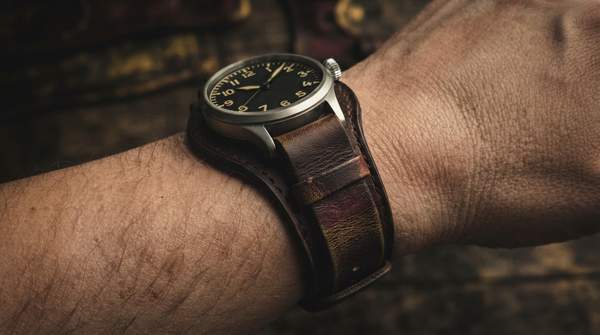
The best strap material for your watch is the one that matches how you actually wear it. Exotic leather suits formal wear and dress watches but fails with water and humidity. Vulcanized rubber handles water, heat, and sweat with almost no maintenance. Stainless steel offers the greatest durability and water resistance for everyday wear. As Holben's Fine Watch Bands puts it, there is no single best watch strap material—the right choice depends on your watch, your wrist, and how you plan to wear it.
Introduction: Choosing Your Luxury Watch Strap
Strap choice is one of the most consequential decisions a collector makes, because the material determines how a watch looks, feels, and performs on the wrist. This guide focuses on the three materials most relevant to luxury watches—exotic leather, high-grade rubber, and stainless steel—and evaluates each against a consistent set of criteria: durability, comfort, water resistance, aesthetics, and maintenance.
A few boundaries apply. Fabric straps such as NATO, Perlon, and canvas are outside this comparison, as are alternative metals like titanium, gold, or platinum. The analysis rests on general material properties rather than brand-specific recommendations or pricing, which varies widely by maker and quality.
Luxury Watch Strap Material Comparison
The table below evaluates each material against the same criteria, drawing on guidance from watch retailers and manufacturers. Reading across a row shows where each material excels and where it compromises; reading down a column shows which material wins a given criterion.
| Criterion | Exotic Leather | High-Grade Rubber | Stainless Steel |
|---|---|---|---|
| Best For | Formal wear and traditional dress watches; warm, heritage-driven aesthetic | Water, heat, movement, and effortless everyday use, especially in humid climates | Everyday wear and active routines needing durability and water resistance |
| Durability | Can last years with proper care, conditioning, and rotation; prone to drying or cracking if neglected | Stronger and more resilient than leather; pliable, returning to its original shape after bending | Strength and corrosion resistance; resists surface wear, though even treated steel will not stay free of wear marks |
| Water Resistance | Poor; repeated soaking can damage the strap and shorten its useful life | Complete water resistance; ideal for swimming and underwater activities | Resistant to moisture; suited to frequent water exposure |
| Comfort | Soft, warm, and molds to the wrist over time; best in cool, dry conditions | Sweat-proof comfort in hot and humid climates | Secure, substantial feel; comfort varies with bracelet design and fit |
| Maintenance | Highest; occasional conditioning to prevent drying or cracking, plus rotation | Low; easy to clean, handles water with little attention | Moderate; gentle cleaning after wear to remove sweat and dirt |
| Aesthetic/Aging | Develops a unique patina; becomes a personal artifact | Retains consistent appearance and shape | Acquires wear marks over time even with hardening treatments |
The pattern that emerges: leather trades practical resilience for character and formality, rubber trades traditional elegance for performance, and steel occupies the durable middle ground at the cost of weight and a more utilitarian aesthetic.