The very essence of luxury, once defined by its scarcity and prohibitive cost, has undergone a profound philosophical transformation in the 21st century. No longer solely a realm of transactional consumption, where value is measured by ownership and status, luxury patronage has evolved into a sophisticated landscape of curated cultural affiliation. This shift, driven by a confluence of societal changes, technological advancements, and evolving consumer expectations, redefines what it means to engage with high-end brands, moving towards a more inclusive, experience-driven, and individually resonant form of "sacredness." Understanding this evolution is crucial for navigating the contemporary luxury market, distinguishing between traditional models and the nuanced strategies that foster deep cultural connections. The Enduring Allure: Traditional Luxury and Transactional Value
Historically, the philosophy underpinning luxury brand patronage was firmly rooted in elusiveness and exclusivity. Luxury items served as potent symbols of status, their value intrinsically linked to their rarity, the meticulous craftsmanship involved in their creation, and the rich heritage of the brands themselves. This traditional model of consumption was characterized by strong social stratification, where access to luxury was a clear demarcation of wealth and position, as noted in an overview of the luxury fashion industry. The "sacredness" of luxury in this era was tied to its inaccessibility, its ability to confer a unique identity upon the owner through the sheer act of possession.
Consumers in this traditional framework engaged in a largely transactional relationship with luxury brands. The emphasis was on acquiring high-value, timeless pieces from established Maisons, prioritizing legacy over fleeting trends, according to insights from Simon-Kucher. This perspective, where luxury was primarily about the tangible product and its associated social standing, formed the bedrock of patronage for centuries. Customers placed growing emphasis on craftsmanship, brand heritage, and the long-term inherent and perceived value of items, particularly in times of economic uncertainty, as highlighted by Fabian Wehren of EY. These elements contributed to a transactional model of consumption, where the acquisition of a physical good was the primary driver of value and satisfaction.The 21st-Century Shift: From Exclusivity to Cultural Affiliation
The 21st century has witnessed a significant philosophical departure from this singular, elitist view of luxury. The concept has broadened from a phenomenon of strict exclusivity to a framework embracing pluralistic individuality, particularly evident in digital visual culture storytelling, as observed by M/C Journal. This redefinition moves beyond mere ownership, extending value to include experiences and a sense of belonging, according to research by Demetris Vrontis, Alkis Thrassou, Naziyet Uzunboylu, and Leonidas Efthymiou. This shift redefines value beyond mere ownership to include experiences and belonging.
This transformation is largely propelled by technological developments, especially the pervasive influence of social media, and a rising tide of consumer empowerment in the marketplace, as noted by M/C Journal. The "democratization of luxury" has brought a wider segment of the population into the market, challenging the rigid social stratification that once defined it, according to an overview of the luxury fashion industry. Modern luxury patronage increasingly seeks curated cultural affiliation, where consumers are not just buying a product, but aligning themselves with a brand's values, community, and narrative. They are looking for authenticity and experiences that resonate with their personal uniqueness, reflecting evolving consumer expectations. This is evident in the diverse archetypes of modern luxury consumers, from "Icon Collectors" who prize legacy to "Bespoke Aficionados" who prioritize tailor-made craftsmanship and one-of-a-kind experiences, as identified by Simon-Kucher.Redefining 'Sacredness': Inclusivity and Community in Modern Luxury
Central to this philosophical evolution is the changing concept of "sacredness" itself. While traditional luxury derived its sacred quality from rarity and heritage, a new form of sacredness is emerging, one that embraces inclusivity and community. Research exploring how consumers relate to luxury brands in the 21st century suggests that the concept of sacredness in society is evolving, prompting brands to adapt their strategies to remain desirable. This "new sacredness" allows luxury brands to appeal to broader audiences while still maintaining a sense of uniqueness and elevated value.
Luxury is no longer solely about the item; it encompasses the full brand experience. This includes not only the product but also the narratives, values, and communities that a brand cultivates. Brands are now leveraging the properties of this evolving sacredness to foster deeper connections. This shift also involves balancing traditional exclusivity with a growing demand for environmental and social responsibility, as highlighted by Vrontis, Thrassou, Uzunboylu, and Efthymiou. The focus has expanded to include curated experiences and authenticity, allowing consumers to find personal meaning and connection within the luxury sphere. For instance, luxury brands can tap into new growth pools through business models like branded travel experiences, product rentals, and certified pre-owned sales, which extend the brand's reach and offer diverse engagement points, according to Fabian Wehren of EY. This allows brands to target broader audiences while maintaining uniqueness.
Drivers of Transformation: Technology and Evolving Consumer Expectations
The profound evolution in the luxury industry is fundamentally driven by a dynamic interplay of societal, technological, and contextual factors. Digital technologies, alongside a growing emphasis on sustainability, are actively transforming the luxury landscape across diverse cultural, historical, and philosophical contexts, according to Taylor & Francis. The rise of social media and other technological developments has significantly empowered consumers, giving them a greater voice and influence in the marketplace, as noted by M/C Journal.
Luxury brands are now challenged to redefine their identities and value propositions to meet these new consumer expectations and global shifts, as observed by Vrontis, Thrassou, Uzunboylu, and Efthymiou. Interactive websites, leveraging smart technologies like artificial intelligence, offer dual benefits: providing seamless omnichannel experiences and enabling brands to gather real-time customer data for more effective experience curation, according to a bibliometric analysis of luxury marketing. This technological integration is crucial for successful brands, allowing them to adapt their strategies by combining innovation with authenticity and cultural relevance. The growing demand for sustainable luxury further underscores this transformation, requiring brands to balance their inherent exclusivity with environmental and social responsibilities. These enable omnichannel experiences and culturally rooted storytelling.Fostering Affiliation: Omnichannel Experiences and Storytelling
In response to these philosophical shifts, luxury brands are employing sophisticated methods to cultivate cultural affiliation in the digital age. Adaptive strategies are key, integrating technological innovation with authenticity and cultural relevance to create deeper engagement, as noted by Vrontis, Thrassou, Uzunboylu, and Efthymiou. This involves leveraging digital platforms to enhance the luxury buying experience, from browsing to purchasing, as M/C Journal highlights.
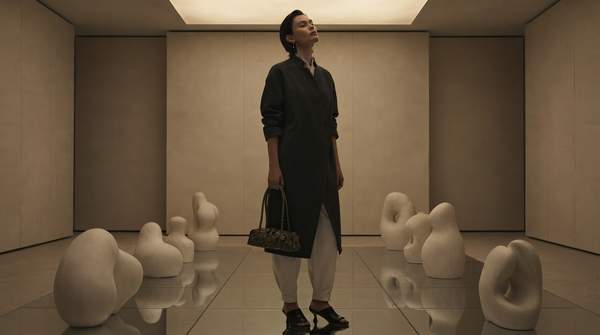
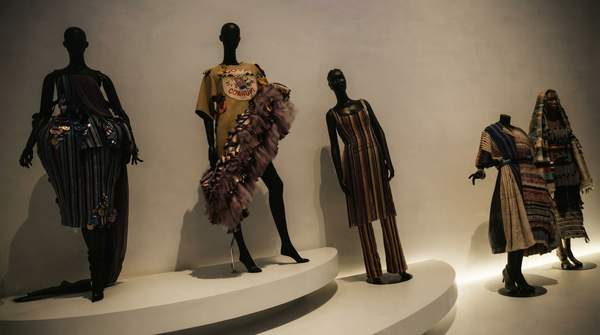
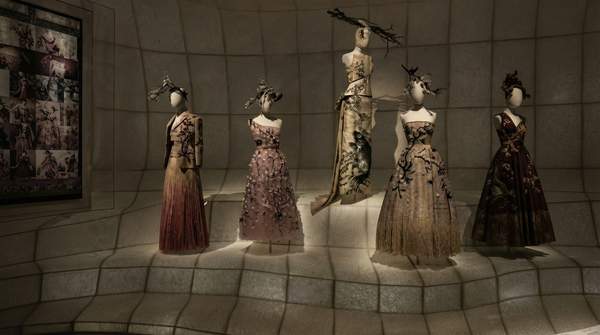
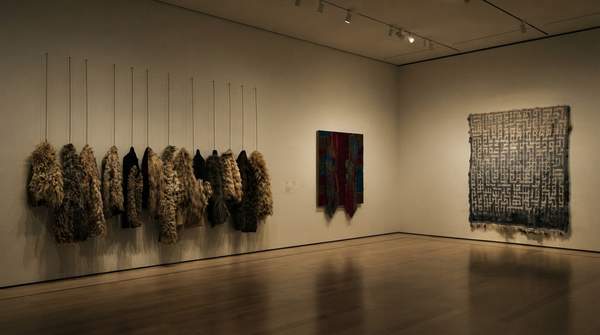
A critical component is the development of robust omnichannel retail strategies, ensuring maximum customer value across all touchpoints, according to the bibliometric analysis. This integrated approach allows brands to deliver consistent, high-quality experiences whether a consumer is interacting online, in-store, or through other channels. Furthermore, luxury brands are increasingly integrating artistic collaborations, immersive, museum-style experiences, and culturally rooted storytelling into their value propositions, as discussed by Taylor & Francis. These narratives and experiences aim to create a sense of community and belonging, moving beyond mere product acquisition. New business models, such as branded travel experiences, product rentals, and certified pre-owned sales, also emerge as avenues for fostering affiliation, offering diverse ways for consumers to engage with luxury, according to Fabian Wehren of EY. While digital engagement is vital, the human interaction and VIP treatment offered by in-store shopping remain highly valued, with a significant majority of customers indicating it provides the highest level of satisfaction, as reported by EY. This reflects evolving consumer expectations and a desire for personal uniqueness.
The philosophical underpinnings of luxury brand patronage have undeniably shifted from a focus on traditional exclusivity and transactional value to a modern emphasis on curated cultural affiliation and pluralistic individuality. This evolution, propelled by technological innovation and changing consumer expectations, has redefined the very concept of "sacredness" in luxury. For those navigating this dynamic market, recognizing that luxury now thrives on authentic connection, shared values, and immersive experiences—rather than just the price tag—is essential for understanding its enduring and evolving allure.