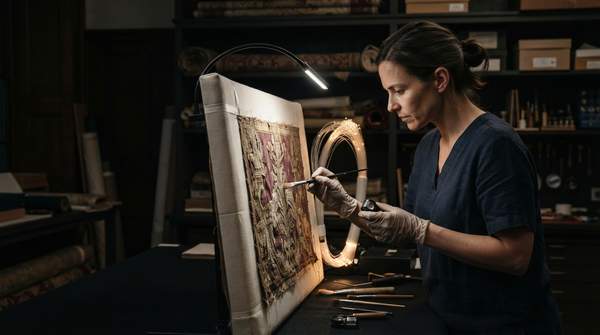
Historical textiles and garments, rich with cultural narratives and aesthetic beauty, present a profound challenge to museum professionals. How, indeed, do we reconcile their inherent fragility—their susceptibility to the ravages of time and environment—with the imperative to share their stories and allow the public to engage with history? The exhibition of such delicate artifacts demands a meticulous, multi-faceted approach, one that harmonizes stringent environmental controls, innovative structural support, and thoughtful visitor engagement strategies to ensure both their long-term preservation and their interpretive power.
The Delicate Balance of Textile Exhibition
Textiles, by their very nature, are organic materials, prone to natural deterioration from ambient light, temperature, humidity, dust, and pollutants, as the Canadian Conservation Institute reminds us. While preventive conservation measures can certainly slow these processes, they cannot halt them entirely. This intrinsic vulnerability means that every curatorial decision, from selection to display, must prioritize the artifact's longevity. The museum world, particularly since the 1970s, has experienced a significant shift, moving its focus from solely collections to a greater emphasis on visitors, according to an analysis of UK costume collections. This evolution necessitates innovative strategies that facilitate visual engagement and effectively convey curatorial messages without compromising the integrity of these irreplaceable artifacts.
The challenges are manifold. Some artifacts may arrive richly documented and in relatively good condition, while others might demand extensive conservation before they can even be considered for public view. Curators must judiciously select items based on their perceived historical and cultural relevance, ensuring alignment with the exhibition's overarching aims. The enduring goal for these textile collections is often their long-term survival, a principle that profoundly shapes how they are interpreted and presented to a curious public. The museum, in essence, guides this intellectual journey, setting the parameters within which the public can explore and understand.
Mastering Environmental Control for Textile Preservation
Establishing and rigorously maintaining optimal environmental conditions stands as one of the most critical pillars in the exhibition of fragile textiles. Light exposure, in particular, poses an insidious and significant threat. Both ultraviolet (UV) and visible light can inflict harm upon textiles, with UV radiation being especially damaging, a point emphasized by the Winterthur Museum, Garden & Library. The Canadian Conservation Institute further elucidates that light damage, once incurred, is irreversible. Its effects, such as fading, may not even be noticeable until considerable, irreparable damage has already occurred. The rate of change for most colors, it is observed, is relatively quick at first, then tapers off over time, underscoring the necessity for strict controls, especially for vividly colored textiles.
To mitigate this cumulative damage, Museums Galleries Scotland offers clear guidance: monitor and control annual light exposure. Exhibits should be illuminated only during museum opening hours, maintaining a consistent intensity of 50 lux throughout the year. Should such low levels prove unattainable, a crucial alternative involves displaying items for shorter periods and rotating them regularly. Direct daylight, notoriously difficult to control due to its inherent fluctuations, must be assiduously avoided. Furthermore, installing robust protection from UV radiation is paramount, with the Winterthur Museum suggesting the application of UV filters on windows and the use of specialized glass or acrylic for frames. Beyond light, the Canadian Conservation Institute identifies incorrect relative humidity (RH) and temperature as equally significant agents of deterioration for textiles, necessitating comprehensive climate control strategies.
Structural Support: Best Practices for Mounting and Display
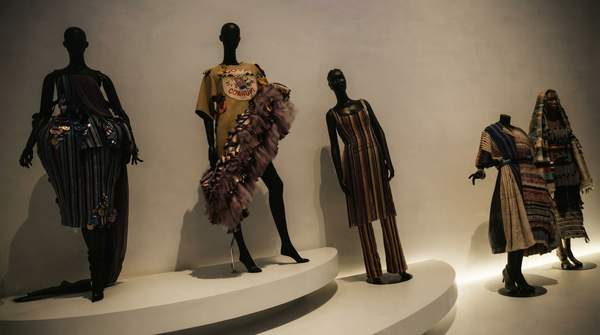
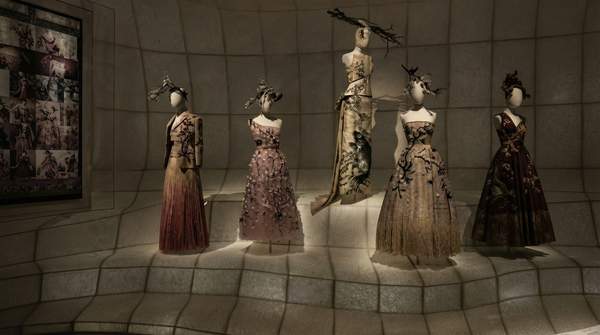
Gravity, an unyielding force, poses a constant threat to textiles on display, capable of causing irreversible distortion without adequate support. Thus, meticulous structural support and mounting techniques are paramount to prevent physical stress and damage. For historical costumes, custom mannequins represent an optimal solution. These supports, as Spicer Art Conservation details, should be individually carved from inert materials such as Ethafoam, precisely tailored to fit the artifact and provide comprehensive support with an internal armature. The Ethafoam mannequins are then meticulously covered with soft needle-punched batting, stockinette, and a suitable display fabric, with detachable arms incorporated as needed.
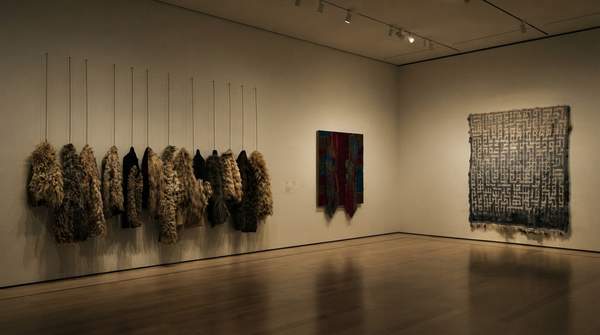
The Museum of Western Australia's guidelines further suggest that this padding can be finely adjusted with additional polyester wadding and strategic stitching to achieve the exact contours required for each unique costume. Such custom mannequins, thoughtfully designed, can even be reused for other garments by carefully remeasuring and adjusting their forms. The Canadian Conservation Institute stresses that these custom mannequins, or similarly padded mounts for storage, are vital in preventing damage from physical forces. They must be inherently stable, equipped with an adequate base that can be securely fastened to the display surface. For larger, flat textiles like quilts and tapestries, the Winterthur Museum recommends mounting them on walls using hook-and-loop fasteners, such as Velcro®, while ensuring that only archival materials are employed and no adhesives directly contact the historic textiles. Museums Galleries Scotland issues a cautionary note regarding poor-quality display materials, such as hardboard, which can pose a significant risk by causing objects to yellow and become brittle due to detrimental chemical interactions.
Engaging Visitors While Ensuring Conservation
The aforementioned shift in museum focus towards visitors, as observed in an analysis of UK costume collections, means that engagement strategies must be intricately woven with conservation imperatives. Historical costumes and textiles are not merely static objects; they are powerful educational tools, capable of conveying profound cultural meanings and values. Effective display techniques allow visitors to engage visually with these objects, enabling curators to communicate specific messages and fostering a heightened sense of community history and pride, according to research on university costume collections.
However, this engagement must never come at the expense of the artifact's integrity. The museum, ultimately, orchestrates the visitor experience, establishing the parameters within which the public can intellectually engage. Innovative strategies can effectively bridge the gap between access and preservation. For instance, displaying the winning garments from a student fashion show in a museum gallery can yield multiple benefits: attendees gain the opportunity to examine garments in greater detail than on a runway, students acquire invaluable experience in curation, and both the fashion show and the museum space receive beneficial cross-promotion, as observed at one university. Such approaches enhance visitor understanding and appreciation without necessitating direct, potentially damaging interaction with fragile historical pieces. The overarching goal is to craft an experience where the story and significance of the textile are conveyed compellingly, allowing the artifact to resonate deeply from within its carefully controlled and protected environment.
Conclusion: Integrated Approaches for Sustainable Textile Exhibitions
The successful exhibition of fragile historical textiles is a testament to the intricate and interdependent relationship between environmental stewardship, meticulous structural engineering, and thoughtful visitor engagement. From the precise calibration of light and humidity to the custom crafting of mannequins that cradle garments without undue stress, every decision contributes to the longevity of these irreplaceable artifacts. As museums continue to evolve, balancing their roles as vigilant custodians of history and dynamic public spaces, the innovative integration of these conservation principles with compelling interpretive strategies will ensure that the stories woven into our textile heritage continue to inspire, educate, and captivate audiences for generations to come. It is through this holistic approach that we honor both the past and the future of these delicate cultural treasures.
Sources
- Caring for textiles and costumes - Preventive conservation guidelines for collections - Canada.ca — CANADA
- Mannequins - Spicer Art Conservation — Spicer Art Conservation
- Critical Comparative Analyses of the Display and Interpretation of Two Historical Costume Collections in the United Kingdom — Article
- Caring for Your Collections: Textile Conservation Tips - Winterthur Museum, Garden & Library — Winterthur Museum, Garden & Library
- Museums Galleries Scotland | Caring for textile collections — Museums Galleries Scotland
- Textiles and the Environment – Canadian Conservation Institute (CCI) Notes 13/1 - Canada.ca — CANADA
- Systems for Display | Development Services — MANUAL
- DR