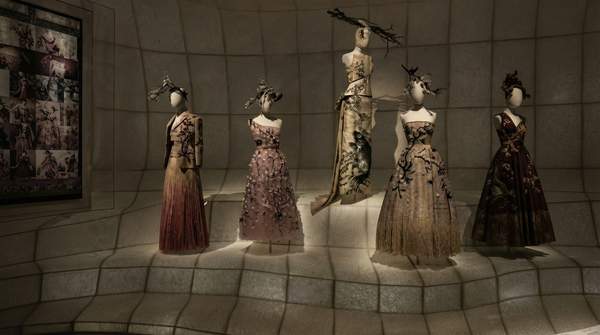
Luxury brands increasingly engage with contemporary artists through diverse collaboration models, moving beyond simple endorsements to forge strategic alliances that shape cultural perceptions and market value. These partnerships are not merely commercial transactions; they are potent exchanges of influence and value, capable of redefining how both the brand and the artist are perceived, as noted by Maddox Gallery. For art collectors and luxury industry professionals, understanding the distinct curatorial frameworks and commercial strategies behind these collaborations is crucial for discerning their impact and potential.
Successful collaborations leverage artification strategies, which involve integrating artistic elements into luxury products or experiences, and the "appreciation task," which focuses on communicating artistic messages to enhance cultural significance. This approach transforms luxury items into sought-after collectibles and elevates brand prestige by aligning with artistic credibility. We will explore three primary models: product capsules, exhibition sponsorships, and immersive installations, examining their strategic objectives, artistic integration, and qualitative outcomes with documented examples.
Product Capsule Collaborations: Merging Art into Collectibles
Product capsule collaborations represent a direct fusion of art and commerce, where artists' motifs and aesthetics are applied to luxury goods, transforming them into unique, art-infused products. The strategic objective is to create coveted, limited-edition luxury items that enhance brand exclusivity and collectibility. These partnerships aim to produce works that feel urgent in their time yet endure across decades, becoming cultural markers that influence how audiences connect with brands and how value is perceived in the market, according to Maddox Gallery.
A notable example is the Louis Vuitton x Takashi Murakami collaboration, which began in 2003. Artist Takashi Murakami's colorful palette and recurring motifs were overlaid onto Louis Vuitton's historic monogram, resulting in the highly successful Monogram Multicolore collection of luxury leather goods, as detailed by Charlotte Cotton for ARTnews.com. Similarly, the Louis Vuitton x Yayoi Kusama collaboration in 2023 featured the artist's signature infinity dots across a full collection, mediating on themes of infinity and eternity through craftsmanship, according to a report by Ryszard Kłeczek and Monika Hajdas in the Journal of Brand Management. This integration transforms luxury items into sought-after collectibles, with Dior also embracing this model through its Lady Dior Art series.
Qualitatively, product capsules can generate significant commercial success and cultural impact. The Louis Vuitton x Murakami collaboration, for instance, achieved both. However, the fusion of art and commerce can sometimes elicit mixed consumer reactions, as seen with varied sentiment towards the Louis Vuitton x Kusama collection. Another example is the Alexander McQueen x Damien Hirst collaboration, which melded McQueen’s dark, romantic aesthetic with Hirst’s bold takes on modern vanitas art, featuring colorful bugs and butterflies printed on flowing dresses, as observed by Nina Ryan for Sotheby's Institute of Art. These collaborations are judged by the legacies they leave, moving beyond initial buzz to become influential cultural markers.