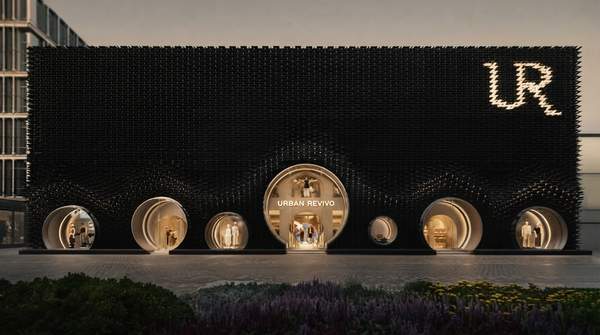
The most important luxury flagship stores in the world are not primarily retail spaces. They are strategic instruments—physical statements through which brands like Chanel, Louis Vuitton and Prada construct exclusivity, stage culture and convert years of digital browsing into a single decisive moment. Management consulting analysis of the sector argues that affluent consumers treat luxury purchases not as transactions but as affirmations, and that the store itself is where that affirmation happens. Understanding what a flagship is actually for requires separating two distinct strategic models that luxury houses pursue, often at enormous cost, with very different goals in mind.
Beyond Transactions: The Evolving Role of Luxury Flagship Stores
The luxury flagship has undergone a quiet redefinition. As P&C Global, a management consultancy covering the sector, observes, the act of entering a flagship location—being recognized, handled with discretion and immersed in a brand's world—remains central to perceived value, even as luxury e-commerce has doubled its share of sector sales over the past decade. Digital channels, in this framing, are evolving from transaction destinations into "decision-shaping ecosystems," while the physical store retains the final word.
The numbers behind that claim are striking. Omnichannel research cited by the consultancy indicates that 94% of consumers finalize purchase decisions in-store, even after extensive digital research. Physical retail, in other words, remains the point of conversion. A flagship in Riyadh or Mumbai, the same analysis notes, is not merely a store but "a physical manifestation of commitment, credibility, and cultural relevance"—a signal to local clients, partners and regulators that the brand intends to stay.
Demographics reinforce the shift. P&C Global reports a renewed preference for physical engagement, with a majority of affluent shoppers now favoring in-store fashion purchases—a sharp increase from two years earlier—and an over-60 cohort growing in both affluence and influence. The flagship, far from being an anachronism, is gaining strategic weight.
Five Strategic Functions of Modern Luxury Flagships
Synthesizing industry analysis and academic research on store strategy, five non-transactional functions emerge as the core justifications for flagship investment:
- Brand identity manifestation. Luxury companies establish flagships, as fashion-business analysis published by Iris Publishers explains, "as an instrument to present a consistent brand identity regardless of the country or the cultural context." The store is the brand rendered in stone, glass and light.
- Architectural statement. The same analysis identifies "grander design"—a design-by-who quality involving star architects and interior design studios—as a defining requirement. The building itself communicates positioning before a single product is seen.
- Market signal. Flagships must be established in a booming economic market and are typically larger than regular stores. Location choice is itself a statement of where a brand believes wealth and relevance are concentrated.
- Cultural hub and event space. Flagships operate through "store space, products, service, and events," in the words of the Iris Publishers research—functioning as venues for exhibitions, performances and hospitality rather than pure selling floors.
- Point of conversion for digital engagement. With 94% of purchase decisions finalized in-store after digital research, the flagship anchors the omnichannel journey: digital shapes the decision, but the store closes it.
Notably, retail-sector commentary published by ELLE Education frames the store as "a communication statement, an experiential invitation that blends sensations and commerce"—and calls it, for the fashion industry, "like the studio for a fashion designer, irreplaceable."