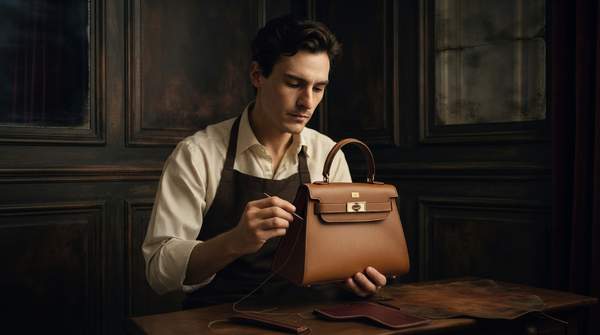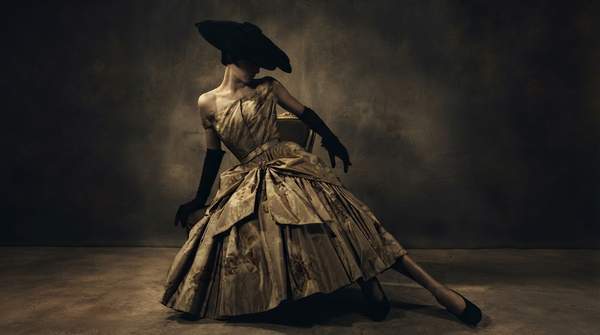
Luxury fashion houses do not simply own history; they operate it. The most successful brands convert their archives, founding stories, and iconic designs into a working strategic system built on three pillars: archival activation, narrative construction, and design reinterpretation. Together, these practices manufacture authenticity, justify premium pricing, and keep century-old names relevant to consumers who were born long after the founders died.
The Enduring Power of Brand Heritage in Luxury Fashion
Heritage has become fashion's most important strategic lever at a moment when, as fashion commentator Giada Graziano observes, the industry faces creative fatigue, changing client expectations, and a more reflective cultural mood that have pushed brands to rethink what value looks like. In this environment, the past is not decoration. It is a competitive asset that reassures consumers, inspires designers, and differentiates brands that lead from those that follow, as heritage consultancy Heritage Werks puts it. The scholarly analysis by Elisa Zanola, Charlotte Stachel, and Sara Greco frames heritage as an argumentative resource: brands build persuasive structures that position their own history as internal authority. The three-pillar model below deconstructs how that works in practice.
The Three Pillars of Luxury Brand Heritage Strategy
Readers can use this framework to analyze any luxury brand's use of its past. Each pillar performs a distinct function, and each contributes a different component of brand value. The categorization follows directly from the documented activities: brands drawing on historical assets, orchestrating consistent messaging, and mining past designs for new collections.
| Strategic pillar | Function | Impact on brand value |
|---|---|---|
| Archival Activation | Leveraging historical assets and archives to ground the brand in documented fact | Establishes authenticity and provides raw material for marketing and communication |
| Narrative Construction | Orchestrating consistent stories across language, visuals, and channels | Conveys identity and values, engages consumers, and strengthens credibility in craftsmanship |
| Design Reinterpretation | Drawing inspiration from historical designs for new collections | Lets brands innovate while visibly maintaining continuity with their heritage |
The pillars are interdependent rather than sequential. An archive without narrative remains a warehouse; a narrative without archival grounding risks becoming fiction; and reinterpretation without either is mere retro styling. The value emerges when all three operate together.