Luxury fashion houses are increasingly turning to their past not for simple replicas, but as a dynamic resource for contemporary innovation. Rather than merely reissuing old items, brands strategically reinterpret their historical assets to create new designs and compelling narratives that resonate with modern consumers. This process involves transforming heritage elements through specific creative methods, treating the archive less like a static museum and more like an active collaborator in the design process. By revisiting signature design codes, iconic pieces, and foundational silhouettes, these houses generate revenue and reinforce their identity for new generations, proving that a brand's history can be its most potent tool for shaping the future.
The Archive as a Strategic Asset
In the modern luxury market, a brand’s historical archive functions as a strategic, revenue-generating asset rather than a passive record of past achievements. According to industry reporting, fashion houses such as Gucci, Dior, Louis Vuitton, and Prada regularly revisit their archives to reinterpret signature design codes. This approach has made anniversary collections, heritage capsules, and reissued classics central components of their annual business strategies. Instead of designing entirely new product categories each season, these brands strategically update existing icons, blending the familiar with the new to maintain relevance.
This practice is fueled by the power of nostalgia, which has become one of fashion’s most effective marketing tools. Consumers are often drawn to products that evoke a particular era or cultural memory, and by revisiting archival logos or historic runway designs, brands create deep emotional connections that extend beyond the product itself. The key is not to reproduce the past exactly, but to update iconic pieces while preserving the core elements that made them recognizable. This allows brands to tap into the comfort of the familiar while still offering something fresh and contemporary.
This shift in perspective reframes the archive from a dusty collection into what a study in the European Journal of Cultural Management and Policy calls a "living organism." In this model, past narratives are actively revived, re-enacted, and connected to contemporary cultural trends and values. The archive becomes a bridge linking a brand's past, present, and future, all through the experiences of its consumers.
Luxury Archive Innovation Strategies
To transform historical assets into contemporary products, luxury brands employ several distinct creative methods. These strategies go beyond simple reproduction, demonstrating a sophisticated dialogue between a house's heritage and its present-day vision. The process can be categorized into three primary approaches: modernizing historical silhouettes, reinterpreting iconic items, and upcycling materials and concepts.
Modernizing a silhouette involves taking a foundational shape from a brand’s history—like the full skirts and A-lines that Christian Dior introduced in the 1950s—and adapting it for today's aesthetics and lifestyles. Maria Grazia Chiuri, creative director of Dior’s womenswear, consistently immerses herself in the house’s archive to create what she calls a "modern Dior silhouette" that honors the brand's roots. This is not about making vintage copies, but about using historical reference points to inform new designs.
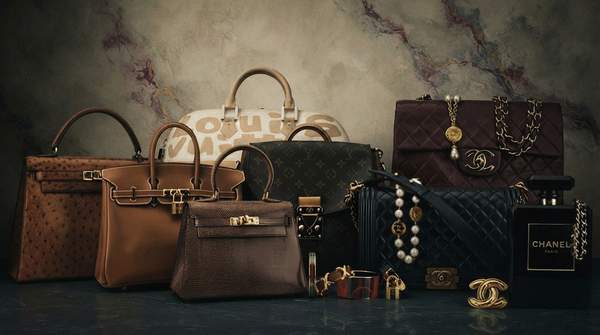
Reinterpreting an iconic item focuses on a specific, highly recognizable product, such as a signature handbag or logo. Brands like Gucci and Prada frequently update their heritage designs for contemporary audiences. This strategy preserves the elements that made an item famous while introducing new materials, colors, or details that feel current, thereby combining a sense of familiarity with a fresh perspective.
A third, more tangible approach is the upcycling of materials and concepts. Maison Margiela, under the direction of John Galliano, exemplifies this with its "Recicla" line, introduced in 2020. Building on the legacy of the house's 1994 "Replica" line, Recicla involves repurposing and upcycling actual vintage garments from various sources and periods. This method creates a harmonious blend of nostalgia and innovation, giving old materials a new life and narrative.
| Strategy | Description | Brand Example |
|---|---|---|
| Modernizing Historical Silhouettes | Adapting foundational shapes and styles from a brand's history to fit contemporary aesthetics, materials, and lifestyles. This involves altering proportions, fabrics, or construction while retaining the original design's core identity. | Dior's creative director, Maria Grazia Chiuri, consistently immerses herself in the house's archive to recreate a modern Dior silhouette, referencing the brand's roots, such as the iconic 1950s A-lines and full skirts, for today's collections. |
| Reinterpreting Iconic Items | Updating a specific, recognizable product, such as a handbag or logo, for a new generation. The goal is to preserve the elements that made the item famous while introducing new details, colors, or materials that feel current. | Brands like Gucci and Prada frequently revisit and reinterpret their signature handbags and historic runway designs, creating updated versions that combine a sense of familiarity with a fresh perspective for contemporary audiences. |
| Upcycling Materials and Concepts | Physically repurposing and upcycling vintage garments or materials from past collections into new, unique pieces. This strategy emphasizes sustainability and craftsmanship, giving old items a new life and narrative. | Maison Margiela's "Recicla" line, introduced in 2020 under John Galliano, is built on this principle. The line repurposes garments from diverse sources and periods, blending nostalgia with innovation in its creations. |
Technology's Role in Dynamic Archives
The evolution of the fashion archive from a static repository to a dynamic creative tool is being accelerated by technology. Digital archives are no longer just passive storage; they are becoming interactive spaces that inspire and assist designers. According to research in the European Journal of Cultural Management and Policy, digital technologies enable new forms of access and participation, allowing for a global reach that extends beyond physical attendance. This digital access helps refresh a brand's positioning for new generations through immersive storytelling rather than simple verbal explanations, fostering a more personal and emotional connection to the brand's identity.
This technological shift allows brands to generate new forms of cultural capital by embracing community-building practices and cultivating online exclusivity. It also moves consumers away from a passive consumption of history and toward active participation, empowering them with new forms of ownership and self-discovery.
Looking forward, emerging technologies like artificial intelligence may facilitate an even deeper interaction. In a 2025 paper, scholars Nicola Besana, Marianne Graves Petersen, Peter Gall Krogh, and Davide Spallazzo envision a future where designers can "actively dialogue with the past." They propose using AI systems to "interrogate" historical data and receive real-time feedback on current work. This concept of co-designing with the archive would be like brainstorming with the original fashion designer at one's side, with AI acting as a tool to facilitate the exchange. A young designer, for instance, could use such a system to explore traditional garment construction techniques or historical color palettes, allowing the brand's embedded heritage to inform new creations in a seamless, interactive way.
Navigating Heritage for Future Design
For designers and brand strategists, the key decision is to leverage archives as dynamic resources for innovation by applying distinct reinterpretation methods rather than relying on simple replication. By modernizing silhouettes, reinterpreting icons, and upcycling past concepts, fashion houses can build a continuous narrative that honors their legacy while speaking directly to the present. This strategic engagement with the past ensures that heritage is not a constraint but a catalyst for creativity.
The success of this approach is visible in the market. The measurable indicator of this strategy is the emergence of new collections that clearly demonstrate modernized historical silhouettes, reinterpreted iconic items, or upcycled materials/concepts, accompanied by brand narratives emphasizing heritage transformation. As brands continue to navigate the balance between history and novelty, their archives will remain an essential wellspring of inspiration and identity.
Sources
- The Importance of a Brand’s Archive — LUXUO
- Why do Luxury Fashion Brands Repeatedly Revisit their Storied Archives for Inspiration? — LuxuryFacts: News, Reviews, Features on Luxury
- Fibre2fashion
- Frontiers Publishing Partnerships
- Frontiers Publishing Partnerships | Co-designing with the archive: a new way of interacting with fashion design heritage