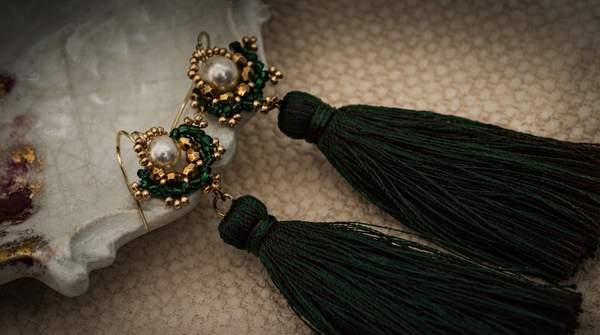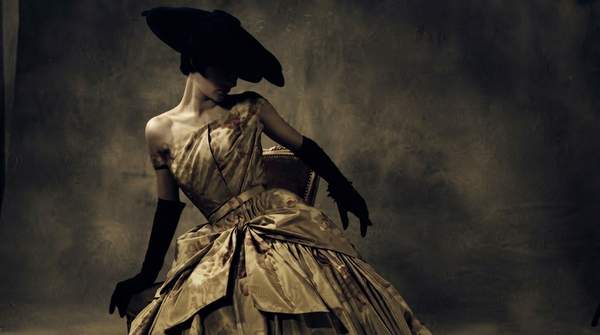
In the rarefied realm of haute couture, where garments transcend mere clothing to become wearable art, the intricate embellishments crafted by specialized ateliers are paramount. These workshops, known as Métiers d'Art, are the custodians of centuries-old techniques, transforming raw materials into breathtaking details that define high fashion. Among these revered houses, Maison Lesage and Maison Lemarié stand as titans, each contributing distinct artisanal methods that are foundational to the aesthetic grandeur of couture. While both are integral to the creation of iconic designs, their unique historical trajectories, signature processes, and ultimate aesthetic impacts offer a fascinating study in contrast, revealing the profound depth of craftsmanship that underpins the world's most exquisite garments.
The Enduring Legacy of Haute Couture Embellishment
Haute couture thrives on an unparalleled dedication to detail and an unwavering commitment to artisanal excellence. The embellishments provided by specialist workshops are not merely decorative additions but foundational elements that bring a designer's vision to life. These houses, such as Lesage for embroidery and Lemarié for featherwork, represent a legacy of accumulated knowledge and skill, meticulously passed down through generations. Their contributions are so vital that Chanel, for instance, has strategically acquired many of these ateliers since 1985, including Lesage in 2002 and Lemarié in 1996, to safeguard their unique savoir-faire and ensure their continued collaboration with haute couture houses. This strategic integration was particularly crucial during the 1990s when a crisis loomed over haute couture, threatening the survival of artisan businesses like Lesage, as noted by sisterMAG.
Maison Lesage: A Tapestry of Threads and History
Maison Lesage, founded in 1924 by Albert and Marie-Louise Lesage, built upon a rich legacy of embroidery that dates back to the mid-19th century. The house quickly became renowned for its extraordinary embroidery patterns, which often required countless hours of precise beadwork. François Lesage, Albert's son, famously articulated the house's profound impact, stating, "Embroidery is to Haute Couture what fireworks are to Bastille Day," a sentiment that captures the dramatic and essential role of their craft, as reported by The New York Times. Lesage's creativity drew inspiration from diverse sources, including Boulle furniture and Coco Chanel's Coromandel screens, translating these influences into intricate textile art.
The signature techniques employed by Lesage artisans primarily include Lunéville hook, also known as tambour embroidery, and needlepoint. These methods allow for the creation of intricate, often three-dimensional, embellishments using a vast array of materials such as sequins, beads, ribbons, and lace, creating a rich, almost painterly surface on garments. The École Lesage, the house's in-house embroidery school, offers training programs that can involve as much as 150 hours of instruction, covering initial needlepoint and Lunéville hook techniques to advanced professional levels, according to École Lesage. The complexity of Lesage's work is evident in the time investment: a simple ready-to-wear embroidery might take 100 hours, while haute couture pieces can demand anywhere from 600 to 2,000 hours of meticulous handwork, as Hubert Barrère, Lesage's artistic director, explained to The New York Times.
Maison Lemarié: The Art of Feather and Form
Maison Lemarié, a specialist in featherwork and artificial flowers, has been a crucial partner to haute couture houses for decades. The house's unparalleled expertise in manipulating feathers has made it a vital collaborator for Chanel's collections since 1962, eventually joining Chanel's Fashion Métiers d'Art in 1996, as detailed by Chanel. Lemarié's artisans are masters of transforming delicate feathers into sculptural forms and intricate patterns, adding volume, movement, and a unique textural dimension to garments.
The artisanal process at Lemarié involves a diverse range of techniques for preparing and applying feathers. Artisans crimp, tweeze, knife-work, curl, and embroider feathers into elaborate designs, often coloring them with pigments to achieve specific aesthetic effects, according to Chanel. These expert gestures allow each collection or project to take shape, creating sophisticated relief effects and bringing designers' inspirations to life, as described by Lemarié. Beyond feathers, Lemarié also excels in crafting artificial flowers and other textile embellishments, demonstrating a multidisciplinary approach to material manipulation. Examples of their work include tulle bows and ruffles adorned with ostrich pinches for Chanel Haute Couture collections, showcasing their ability to orchestrate various elements with virtuosity.
Haute Couture Embellishment: Lesage vs. Lemarié
The distinct contributions of Lesage embroidery and Lemarié featherwork to haute couture are best understood through a direct comparison of their techniques, historical integration, artisanal processes, and aesthetic impacts. Both maisons represent the pinnacle of specialized craftsmanship, yet they achieve their breathtaking results through fundamentally different approaches to material and form. While Lesage builds intricate patterns and textures with threads and beads, creating a rich, often flat or subtly raised surface, Lemarié sculpts with organic materials, adding dramatic volume, movement, and a unique lightness to garments. Their integration into Chanel's Métiers d'Art group highlights a shared commitment to preserving these vital skills, even as their methods diverge.
This table allows readers to quickly compare and contrast the historical development, signature techniques, and aesthetic contributions of Lesage embroidery and Lemarié featherwork, aiding in a structured understanding of their unique roles in haute couture.
| Dimension | Lesage Embroidery | Lemarié Featherwork |
|---|---|---|
| Technique | Employs both Lunéville hook (tambour embroidery) and needlepoint techniques for intricate embellishment. | Artisans manipulate feathers through crimping, tweezing, knife-working, curling, and embroidering them into patterns. |
| Historical Origin/Integration with Chanel | Maison Lesage, inspired by various design elements, was acquired by Chanel in 2002 to preserve its artisanal skills during a crisis in haute couture. | Lemarié has been a vital partner to Chanel for its collections since 1962, later becoming part of the Métiers d'Art group in 1996. |
| Artisanal Process | The process involves extensive hours and complex handwork, often requiring long apprenticeships and tacit knowledge passed down through generations. | Featherwork skills are learned informally, "like a secret," from person to person within the atelier, rather than through formal schooling. |
| Aesthetic Impact/Materials | Lesage embroidery creates breathtaking, intricate embellishments, often described as "fireworks" on garments, using diverse materials to achieve rich textures and patterns. | Lemarié's featherwork results in sculptural forms and delicate patterns, where feathers are colored and integrated with other materials like flowers and ribbons, adding volume and movement. |
The 'Unseen Hand': Preserving Tacit Knowledge in Couture
The true magic of haute couture often lies in the "unseen hand" of its artisans—the specialized, often undocumented, skills that are preserved and transmitted through generations. At both Lesage and Lemarié, this tacit knowledge is paramount. As Author Magazine reported, an anonymous practitioner at a featherwork atelier highlighted that techniques are retained in the hands of individuals and exist nowhere else, emphasizing that featherwork requires a physical sensitivity that cannot be taught from a book or manual. Instead, one learns it "from a person who learned it from a person." This direct, person-to-person transmission is a hallmark of these Métiers d'Art, underscoring the profound value of human experience over written instruction.
While École Lesage provides formal training in embroidery, offering courses from initiation to professional specialization, the deepest levels of expertise are often cultivated through long apprenticeships and continuous practice within the atelier. Chanel notes that at le19M, Lesage's embroiderers pass down the "secrets of their savoir-faire" to younger generations. This reliance on informal learning and direct mentorship highlights the fragility and immense value of these crafts. The absence of a succession plan for even one experienced artisan, such as a 61-year-old practitioner with 37 years of experience whose techniques are undocumented, could mean the irreversible loss of unique, unwritten techniques, as observed in some ateliers. This challenge underscores the critical importance of dedicated mentorship and the continuous cultivation of these specialized skills.
Embracing the Legacy: A Call for Appreciation
Lesage embroidery and Lemarié featherwork are not merely historical relics but living, evolving crafts that continue to define the pinnacle of haute couture. Their integration into Chanel's Métiers d'Art group underscores a strategic commitment to preserving these endangered artisanal skills, ensuring their continued contribution to the fashion world. The intricate handwork, the hours of dedication, and the tacit knowledge passed down through generations represent an irreplaceable cultural and artistic heritage that distinguishes haute couture from mass production.
Readers should recognize the profound value of these specialized artisanal skills as irreplaceable components of haute couture, understanding that their preservation relies on continued appreciation and support for traditional craftsmanship. Increased awareness of the distinct contributions of Lesage and Lemarié, reflected in discussions and appreciation for the 'unseen hand' behind haute couture garments, serves as a measurable indicator of this ongoing legacy.