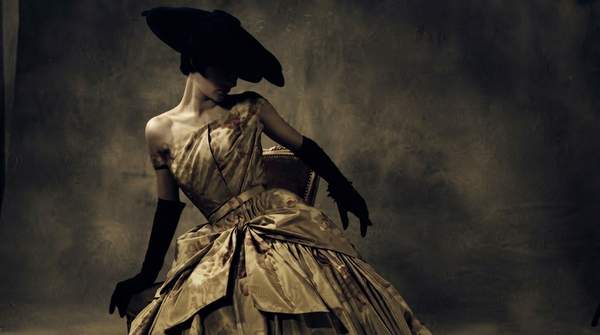
The 20th century marked a transformative era in haute couture, where designers continually reimagined the female silhouette, moving beyond the restrictive norms of previous centuries. These iconic forms were more than mere aesthetic trends; they embodied significant structural innovations, mirrored profound cultural shifts, and continue to exert a lasting influence on contemporary fashion design. From liberating the body from corsetry to sculpting new ideals of femininity, pivotal silhouettes such as Madeleine Vionnet's bias cut, Christian Dior's New Look, and Cristóbal Balenciaga's globular forms stand as enduring testaments to design ingenuity and societal evolution.
Fashion serves as a potent visual metaphor for its time, with designers acting as interpreters of an era's spirit. Seminal figures like Worth, Vionnet, Balenciaga, Chanel, Dior, and Yves Saint Laurent are recognized for their profound contributions to 20th-century fashion, as highlighted by Google Arts & Culture and Malne. Their creations often reflected the aspirations, constraints, and progress of the modern woman, dressing the body in both history and the future simultaneously. This exploration delves into the distinct structural elements, cultural significance, and lasting impact of these key haute couture silhouettes, offering a deeper appreciation of their design principles.
The Ingenuity of the Bias Cut: Madeleine Vionnet
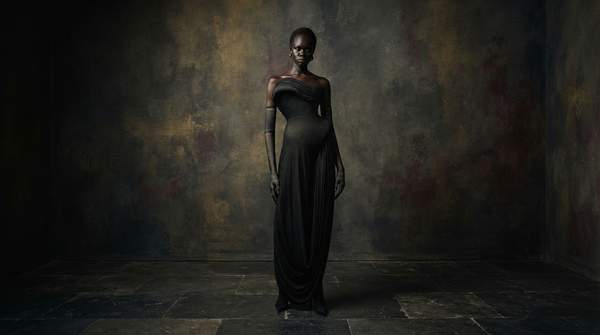
Madeleine Vionnet revolutionized fashion in the early 20th century through her masterful application of the bias cut, a technique that fundamentally altered how garments interacted with the female form. By cutting fabric diagonally across the grain, Vionnet enabled textiles to stretch, drape fluidly, and gracefully cling to the body's natural contours without the need for rigid understructures like corsets. This innovative approach created a streamlined, unlined, and often pull-over form, marking a significant departure from the heavily structured clothing of previous eras.
A February 1922 edition of French Vogue reported on Vionnet's "revolution," noting her proposal of clothes that were not only unlined but also designed to be pulled over the head, emphasizing ease and simplicity. This construction principle was central to the international popularity of her designs throughout the 1920s and 1930s, according to the Fashion History Timeline. Vionnet's "exquisite technique and ingenious construction," exemplified by pieces such as her 1936 carnival dress, fostered a new, athletic appearance that complemented the era's shorter hairstyles and a broader cultural shift towards greater physical freedom for women. Her work effectively liberated the female form from the constraints of corsetry, establishing a foundational principle for modern dressmaking that prioritized natural movement and elegant drape.
Post-War Contrasts: Dior's New Look vs. Balenciaga's Globular Forms
The post-World War II era witnessed the emergence of two contrasting yet equally influential haute couture silhouettes, each offering a distinct vision of femininity and luxury: Christian Dior's New Look and Cristóbal Balenciaga's globular forms. Launched in 1947, Dior's New Look immediately revolutionized fashion with its "X-shaped" or triangular silhouette. This design was characterized by a cinched waist, pronounced shoulders, and a wide, voluminous skirt, creating an hourglass figure that Malne describes as an "exalted femininity" that redefined the classic ideal.
Dior's collection responded to a post-war desire for opulence and a return to traditional femininity after years of wartime austerity and utilitarian fashion. The New Look offered an ideal of womanhood that combined structure, abundance, and sophistication, presenting a stark contrast to the more practical styles that preceded it. It was a powerful visual statement, symbolizing a return to luxury and a romanticized vision of the female form.
In stark contrast, Cristóbal Balenciaga explored the "globular" form, which gained significant recognition in haute couture during the 1950s and 1960s. Balenciaga's designs were renowned for their larger volumes and sculptural, architectural cuts, offering an alternative route to Dior's cinched waist. While Dior emphasized a defined waist and exaggerated hips, Balenciaga's approach focused on innovative cuts that wrapped the body in architectural volume, prioritizing freedom of movement within its voluminous shapes, as noted by Malne. His work represented a "sculptural avant-garde," moving away from the body-hugging forms to create garments that stood away from the figure, allowing for a different kind of elegance and modernity.
Both designers, though with divergent structural approaches, profoundly shaped women's luxury fashion by presenting distinct ideals of femininity that combined structure and sophistication. Their creations served as powerful visual metaphors, reflecting the dreams, limits, and advancements of the modern woman in the mid-20th century.
Comparative Evolution of 20th-Century Haute Couture Silhouettes
The following table highlights the defining characteristics, key designers, and cultural significance of selected iconic 20th-century haute couture silhouettes, aiding in understanding their distinct contributions.
| Silhouette Name | Key Designer(s) | Defining Structural Elements | Cultural Significance | Era |
|---|---|---|---|---|
| Bias Cut | Madeleine Vionnet | Streamlined, unlined, pull-over form created by cutting fabric diagonally across the grain, allowing for fluid drape. | Symbolized emancipation and freedom, liberating the body from corsetry; offered a new, athletic appearance. | 1920s-1930s |
| New Look (Triangular/X-shaped) | Christian Dior | Fitted waist, pronounced shoulders, and a wide, swinging skirt, forming an X-shape. | Exalted femininity, redefined the classic ideal post-WWII, combining structure, abundance, and sophistication. | 1940s-1950s |
| Globular Silhouette | Cristóbal Balenciaga | Emphasized larger volumes and sculptural, architectural cuts, often wrapping the body in innovative forms. | Sculptural avant-garde, offered an alternative ideal of femininity with freedom of movement and architectural volume. | 1950s-1960s |
Enduring Legacy: Contemporary Echoes of Iconic Silhouettes
The structural innovations and aesthetic principles established by these defining 20th-century haute couture silhouettes continue to resonate deeply within contemporary fashion design. Fashion is not a static entity but rather a "constant dialogue with history," as Malne observes, with modern designers frequently reinterpreting forms that have shaped the identity of the female body throughout the 20th century from a "contemporary perspective." These historical lines serve as powerful visual metaphors, reflecting the evolving dreams, limits, and advancements of women across time.
Today's designers continue to interrogate the visible, the corporeal, and the symbolic, with luxury fashion responding through silhouettes that celebrate both form and meaning. The influence of these iconic shapes is evident in the ongoing exploration of draped forms that echo Vionnet's fluidity, the enduring appeal of defined waists and voluminous skirts reminiscent of Dior's New Look, and the architectural approach to garment construction that prioritizes both structure and freedom of movement, a hallmark of Balenciaga's work. The progression towards the "Anatomical" silhouette from the 1960s to today, which emphasizes the visibility of the real body, freedom, naturalness, and technology, further demonstrates how these foundational principles continue to evolve.
The legacy of these haute couture pioneers ensures that their contributions remain a vital reference point for understanding and shaping fashion's future. Their innovations laid the groundwork for how designers approach fabric, form, and the female body, proving that the spirit of an era, once captured in a silhouette, can inspire generations of creativity.
Appreciating the Enduring Legacy of Couture Silhouettes
To fully appreciate the foundational impact of 20th-century haute couture, focus on understanding how designers like Vionnet, Dior, and Balenciaga innovated garment construction to reflect and shape evolving ideals of femininity and modernity. Recognition of the distinct structural elements and cultural context of these four iconic silhouettes in contemporary fashion references or historical analyses serves as a measurable indicator of this appreciation.
Sources
- History of the female silhouette in luxury fashion — Malne
- Iconic Designs: Fashion and Style of the 20th Century - Google Arts & Culture — Google Arts & Culture
- 20th century — Fashionhistory