The most successful luxury brands do not design flagship stores to sell products; they design them to be believed in. As design studio analyses of the sector argue, the difference between a store that looks premium and one that feels culturally grounded is rarely about price — it lies in the intelligence behind every surface and spatial choice. The pattern that emerges from current industry thinking can be organized into three pillars: spatial and architectural intelligence, engineered experiential exclusivity, and live brand storytelling. Together, they convert a retail visit into something closer to a cultural ritual — and, in doing so, build loyalty that outlasts any single transaction.
Beyond Retail: The Cultural Mandate of Luxury Flagship Stores
Why would anyone travel to a physical store when online channels offer both convenience and aspiration simultaneously? That is the question modern luxury retail design must answer, and it explains why the flagship has acquired a cultural mandate. The most enduring luxury houses have always understood the store as a hybrid of commerce and culture, as Basa Studio's design analysis puts it — engaging art, architecture and spatial narrative to create environments that go far beyond the act of purchase.
This is not a recent innovation but the foundational logic of the flagship. What has changed, the studio argues, is the competitive pressure to get it right, because brands with culturally coherent retail environments consistently outperform those that treat the store as a distribution point with better lighting. The stakes are financial as well as reputational: LVMH has been explicit that the bulk of its growth comes from physical stores and that the bulk of its capital is invested in the real estate housing them, as Glossy reported from the group's own communications.
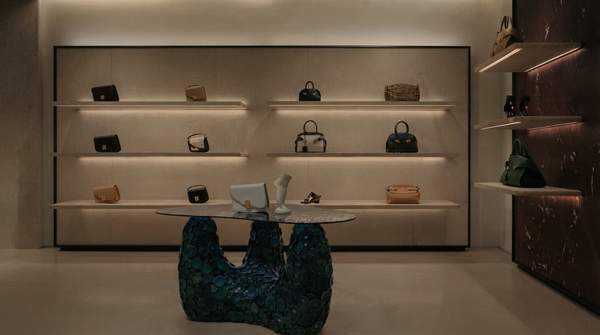
The trap is what might be called premium aesthetics — marble floors, brass fixtures, soft lighting, generous negative space. Everything signals quality, yet the result can be impeccably executed and entirely forgettable. The distinction matters because it separates brands whose stores merely look expensive from those whose stores feel like somewhere a reader would cross a city to enter.