The most effective luxury pop-up is not the most spectacular one—it is the one whose format and location match a single, clearly defined objective. Evidence from retail strategists converges on three distinct strategic purposes: deepening brand storytelling, testing new markets and products with minimal risk, and converting scarcity into immediate exclusive sales. Each purpose demands a different location, a different experiential format, and a different definition of success.
Strategic Objectives of Luxury Pop-Ups
Short-term retail has become an increasingly strategic tool for high-end labels precisely because it lets them experiment without diluting exclusivity, as Courtney Gerring explains in Storefront's analysis of luxury pop-up strategy: pop-ups create urgency, generate media attention, and offer controlled environments to test products, neighborhoods, and new audiences. The temporary format, in other words, is not a compromise on permanence but a strategic complement to flagship retail.
Industry commentary on fashion pop-up retail describes the format as highly experiential, open for a short period, and functioning as a promotional device for brand reputation—built around playful experiences, curated product selections, and agile set constructions. Because the commitment is short, the format is treated as a low-risk, less expensive alternative to permanent locations, suited to testing niche markets and reaching new consumers.
Scarcity is the mechanism that binds these objectives together. Knowing products are available only briefly makes people decide faster, turning browsing into buying—a dynamic that luxury marketers describe as especially potent in markets where desirability depends on rarity. The same ephemerality that drives transactions can also be redirected toward storytelling, which is why the strategic choice between objectives matters before any design decision is made.
Decision Framework: Aligning Objectives with Experience Formats and Locations
The framework below maps each primary objective to the location type and experiential format the evidence supports. The reasoning path is straightforward: the objective determines what the space must accomplish, the location determines who walks through the door, and the format determines what they do once inside.
| Primary Brand Objective | Strategic Location Type | Experiential Format |
|---|---|---|
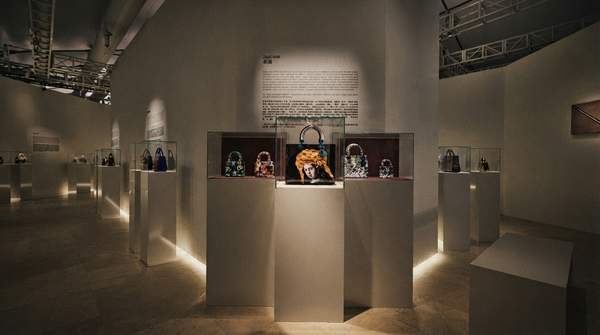
| Brand storytelling / experiential marketing — deepen brand connection and reputation rather than drive direct sales | Cultural institutions, art galleries, or spaces adjacent to major exhibitions; hotel lobbies that extend a property's aesthetic | Immersive brand installation in which every sensory detail tells part of the brand's story |
| Market testing and expansion — evaluate new locations, product lines, or demographics with minimal risk before permanent investment | Secondary cities or emerging affluent neighborhoods relevant to the target demographic | Curated product selections and agile set constructions that facilitate data collection on product performance and customer feedback |
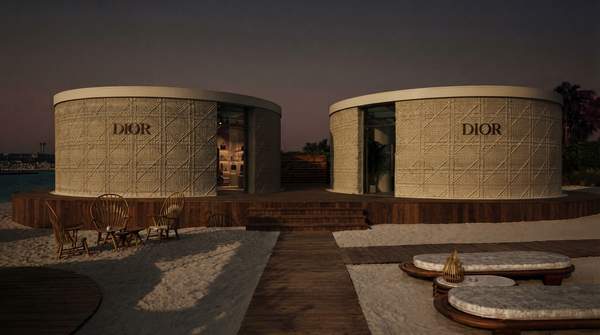
| Driving urgency and exclusive sales — generate immediate engagement and transactions | High-visibility spaces suited to limited-edition, destination-style activations | Exclusive retail previews, limited-edition items, and personalized services that foster a sense of privilege |
The storytelling row rests on the observation that a pop-up inside a gallery or museum—or adjacent to a major exhibition—positions the brand as a patron of culture rather than a merchant, an approach T-ROC's editorial team notes works exceptionally well for brands whose identity is rooted in craftsmanship, heritage, or artistic collaboration. Hotel lobbies offer a parallel logic: Loewe and Brunello Cucinelli have deployed lobby pop-ups that feel like natural extensions of the property, giving the brand access to a pre-qualified audience in a relaxed, receptive state of mind.
The sales row draws on a documented activation in which an immersive floral installation, European-exclusive styles, and limited-edition items transformed the space into a destination rather than a standard retail environment; the temporary nature of the installation heightened desirability. The lesson is that when the offering feels rare—a location-specific product, an artist collaboration, a customization service—the short-term format strengthens brand value rather than weakening it.
Key Executional Elements for a Luxury Pop-Up
Whatever the objective, execution determines whether the space reads as luxury or as a decorated kiosk. Retail design is critical: architectural and visual strategies must reflect brand values through carefully selected materials, spatial configurations, and aesthetic elements that communicate brand identity. Fashion Strategy Weekly's analysis frames the pop-up as a form of dynamic, immersive content, which means customer experience and staff communications must be coherent with brand DNA—content that aligns with the corporate vision and with the needs and preferences of the target audience.
Staffing deserves particular attention in luxury contexts, where pop-ups often attract international clientele and local tastemakers simultaneously. T-ROC's guidance is concrete: staff should be briefed on the cultural context of the location—local dining recommendations, nearby galleries, neighborhood history—so they can engage in informed conversation. The brand ambassador who can recommend the best gallery opening that evening creates a relationship, not just a transaction.
Partnerships are the final amplifier. Strategic partnerships with premium locations amplify impact and provide access to target audiences, while co-branding initiatives boost brand awareness and engagement. A gallery collaboration, a hotel residency, or an artist partnership is therefore not merely a venue decision but a distribution channel for the brand's narrative—one that extends reach well beyond the physical footprint of the temporary space.
Selecting Your Next Luxury Pop-Up Strategy
Luxury brands should select a pop-up strategy by first clearly defining their primary objective—whether it's brand storytelling, market testing, or driving exclusive sales—and then aligning this objective with a suitable location and experiential format. The framework above makes that path explicit: a heritage-driven maison belongs in a cultural institution with an immersive installation; a brand weighing a new city belongs in an emerging neighborhood with a curated, data-gathering format; a brand with limited-edition product belongs in a high-visibility destination built around privilege and personalization.
Successful alignment will be indicated by pop-up experiences that generate significant brand buzz, provide actionable market insights, or achieve targeted sales goals, as measured by media value, customer engagement data, or revenue benchmarks. One caveat the evidence itself imposes: these are general strategic principles, not a formal ROI study, so brands should treat the framework as a starting hypothesis and let their own engagement and revenue data confirm whether the chosen objective-location pairing was the right one.
Sources
- Luxury Brand Pop-Up Strategy: Why High-End Labels Use Temporary Retail — Storefront
- 6 Examples of Pop-up Retail Strategies in the Fashion Industry — ELLE
- Luxury Retail: High-End Brands' Pop-Up Store Strategies — Abravmsd
- The Future of High-End Retail & Experiential Marketing — T-ROC
- How to Create Retail Pop-Ups that Connect — Fashionstrategyweekly