A luxury brand archivist is a trained information professional who manages a fashion house's historical record—garments, documents, photographs, and corporate materials of enduring value—and turns that record into a working strategic asset. The role rests on classic archival practice: deciding what is worth keeping, organizing it so it can be found decades later, and preserving it for the future. But inside a luxury house, the archive is not a static repository. As fashion researchers Chiara Colombi and Marcella Martin observe, brands use their archives both as repositories of inspiration for design teams and as marketing tools to authenticate brand identity.
The Luxury Brand Archivist: Guardians of Heritage
The foundational definition comes from the archival profession itself. Syracuse University's information school describes the archivist as someone who preserves, organizes, and provides access to records of enduring value, working with materials an institution has chosen to keep for historical, legal, or cultural reasons. Unlike a records clerk, the archivist decides what is worth keeping and builds the systems that make it findable long after the people and events it documents are gone. Eastern Washington University's career guide frames the same work as managing the full lifecycle of records, from acquisition through long-term conservation.
What distinguishes the luxury context is scale and intent. Colombi and Martin note that as fashion companies have grown into globalized corporations, many have created in-house archives and dedicated heritage departments. The archivist in this setting is not simply a custodian but the operator of an institutional memory that the brand actively mines.
Core Function 1: Collection Management and Preservation
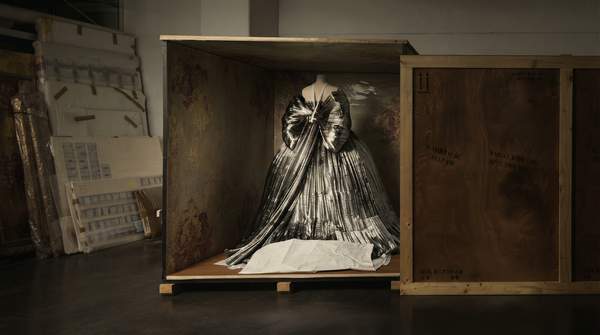
The first function is the bedrock. The archivist appraises potential materials to determine their legal, historical, or informational value and decides which items should be permanently archived, then conserves them so they survive. This is not glamorous work, but everything else depends on it. A brand cannot claim a heritage it cannot produce evidence of, and it cannot hand a design team a 1960s sketch or garment that has crumbled. The reliability and integrity of the historical record are prerequisites for every downstream use, because a credible archive is what allows the brand to authenticate its identity rather than merely assert it.